Understand the importance of routine dental check-ups, what to expect during visits, and how regular care prevents serious dental issues.

You brush your teeth every day. But when was your last dental checkup?
Many people wait until they feel pain or notice a problem. By then, the issue may already be serious. Routine dental visits help catch problems early, before they become more complex and expensive to treat.
For example, a small cavity may not hurt at first. A dentist can detect and fix it early. Without a checkup, it could later require a root canal or even extraction.
Regular appointments are not just about cleaning. They help prevent cavities, gum disease, and other issues that often develop without symptoms.
In this blog, you will learn what routine dental visits involve, why they matter, and what to expect during your appointment.
Routine dental appointments are regular checkups with your dentist that focus on prevention, not emergencies. You don’t wait for pain or a visible problem. Instead, you visit the dentist to keep your teeth and gums healthy before issues appear.
During these visits, your dentist checks your teeth, gums, and overall oral health. They look for early signs of cavities, gum disease, or other problems.
Most appointments also include professional cleaning to remove plaque and tartar that brushing alone cannot remove.
So basically, these visits are about maintenance, not emergency treatment.
The goal is to catch small problems early so they don’t turn into bigger, expensive ones.
Routine dental appointments matter because they help catch problems early, before they become serious.
Issues like small cavities, early gum irritation, or plaque buildup may not cause pain at first, but that doesn’t mean everything is fine. Regular visits allow your dentist to spot and treat these problems quickly.
They also help prevent bigger, more expensive issues later. Professional cleanings remove plaque and tartar that brushing alone can’t, keeping your mouth healthier over time.
In short, routine visits:
In fact, around 35% of adults do not visit a dentist within a year, increasing their risk of untreated problems.
If you wait until something hurts, it may already be too late.
A routine dental visit is usually quick, simple, and preventive. It helps your dentist spot small problems before they turn into bigger ones.
Let’s walk through the main steps so you know exactly what to expect.
First, your dentist carefully checks your teeth, gums, and entire mouth.
They are looking for early signs of problems like cavities, gum disease, or infection. Sometimes these issues start quietly without pain, so the dentist looks closely to catch them early.
During this exam, the dentist may check:
These checkups are important because small issues are much easier to fix when they are found early. A quick check now can prevent bigger treatments later.
After the examination, a dental hygienist usually performs a professional cleaning.
Even if you brush and floss every day, some plaque can still build up in hard-to-reach places. Over time, this plaque can harden into tartar. And once tartar forms, regular brushing can’t remove it.
During cleaning, the hygienist will:
This process not only improves how your teeth look, but it also reduces the risk of cavities and gum disease.
You might think, “If the dentist can see my teeth, why take X-rays?”
Because some problems hide where the eye cannot see. These problems can hide between teeth, under fillings, or inside the jawbone. X-rays help detect hidden cavities, infections, bone loss, and other issues early.
Dental X-rays are easy to conduct. They also use very low radiation and are considered safe for routine diagnosis.
For most people, visit your dentist every 6 months. This is the standard recommendation for routine checkups and cleanings.
Twice a year because it gives your dentist enough time to spot problems early and keep your teeth professionally cleaned.
But not everyone follows the same schedule.
Your dentist may suggest more frequent visits if you:
In some cases, you might need to visit every 3–4 months to monitor your oral health closely.
The best rule: follow the schedule your dentist recommends for your teeth. Your oral health is unique, so your visit frequency should be too.
Most people visit a dentist only when something hurts. But routine dental checkups are not just for fixing problems. They are mainly about preventing problems before they start.
Here are the real benefits you get when you keep up with regular dental visits.
Small dental problems are easy to ignore. A tiny cavity. Slight gum swelling. Mild sensitivity.
But small problems can grow into serious ones if they go unnoticed.
During a checkup, your dentist carefully examines your teeth and gums. This helps detect issues like cavities, gum disease, or infections at an early stage.
It's important because early treatment is usually faster, easier, and less expensive.
You brush your teeth every day. That’s great. But brushing and flossing cannot remove everything.
Plaque often builds up in areas that are hard to reach. Over time, this plaque turns into tartar, which can only be removed by a dental professional.
During a routine appointment, dentists clean your teeth thoroughly. This helps remove plaque, tartar, and bacteria.
All this leads to cleaner teeth, healthier gums, and a lower risk of cavities.
Gum disease often starts quietly. You may not notice it in the beginning.
But plaque and tartar along the gum line can slowly lead to gum infections and inflammation if not treated.
Regular dental checkups help remove these harmful buildups and prevent gum disease from progressing.
And that’s important. Because severe gum disease can even lead to tooth loss if ignored.
Dental treatments can become expensive when problems are severe.
Treating a small cavity is simple. But treating advanced decay might require root canal treatment, crowns, or even tooth extraction.
Routine checkups help identify issues early. That means simpler treatment and lower costs in the long run.
In short, prevention is usually cheaper than treatment.
When you visit the dentist regularly, you are actively protecting your oral health.
Consistent dental visits are linked with better oral health and fewer dental issues over time.
Your dentist can also guide you on improving your daily oral care routine.
You may learn things like:
These small improvements can make a big difference in the long-term health of your teeth and gums.
Sometimes your mouth gives warning signs. Ignoring them can turn a small issue into a bigger problem. If you notice any of these, it’s time to book a dental visit.
Simple rule: if your mouth feels different, painful, or unusual, don’t delay the appointment. Early treatment always makes things easier.
Dental needs change with age, so routine visits focus on different priorities at each stage. The goal remains prevention and early detection.
Let’s break it down so you clearly understand what matters at each stage.
For children, the focus is on prevention and building good habits. Dentists check tooth development, look for early cavities, monitor alignment, and guide brushing and flossing. Fluoride treatments or sealants may also be used.
Early visits help reduce dental fear. Experts recommend the first visit around the child’s first birthday or when the first tooth appears.
For adults, visits focus on maintenance and early detection. Dentists check for cavities, gum disease, plaque buildup, tooth wear, and other oral health issues.
A 6-month checkup schedule is commonly recommended to keep teeth and gums healthy. Lifestyle factors like stress, smoking, or coffee can affect oral health.
In older adults, dental care addresses age-related changes like dry mouth, gum recession, and increased sensitivity.
Dentists monitor decay, tooth wear, dentures or implants, and screen for oral cancer.
Regular visits are important. Issues like dry mouth can increase the risk of tooth decay if not managed properly.
Routine dental appointments may seem small, but they make a big difference to your oral health. When you visit your dentist regularly, problems like cavities or gum issues can be found early before they become serious.
So what should you do? Simply stay consistent. Schedule your checkups, follow good daily oral care, and listen to your dentist’s advice.
These simple habits help keep your teeth strong and your smile confident. In the long run, routine visits save you stress, discomfort, and even money.
Your smile deserves that kind of care. Don’t wait for pain to take action.
You still need regular dental visits because many oral problems start quietly. Cavities, gum disease, and other issues may not cause pain early, so checkups help catch them before treatment becomes harder.
No, dental X-rays are not always taken at every visit. Dentists usually recommend them only when clinically needed, based on your oral health, symptoms, risk level, and treatment planning needs.
During a routine appointment, the dentist checks your teeth, gums, mouth, lips, and sometimes neck. They look for tooth decay, gum disease, mouth sores, and other signs that may need attention.
Yes, routine appointments can help reduce future dental costs. When problems are found early, they are often easier to treat. This can help you avoid more complex, painful, and expensive procedures later.
Yes, children need routine dental visits even with baby teeth. Early appointments help spot problems, support healthy tooth development, and make children more comfortable with dental care from a young age.
Explore our blog for expert advice, treatment insights and oral care tips.
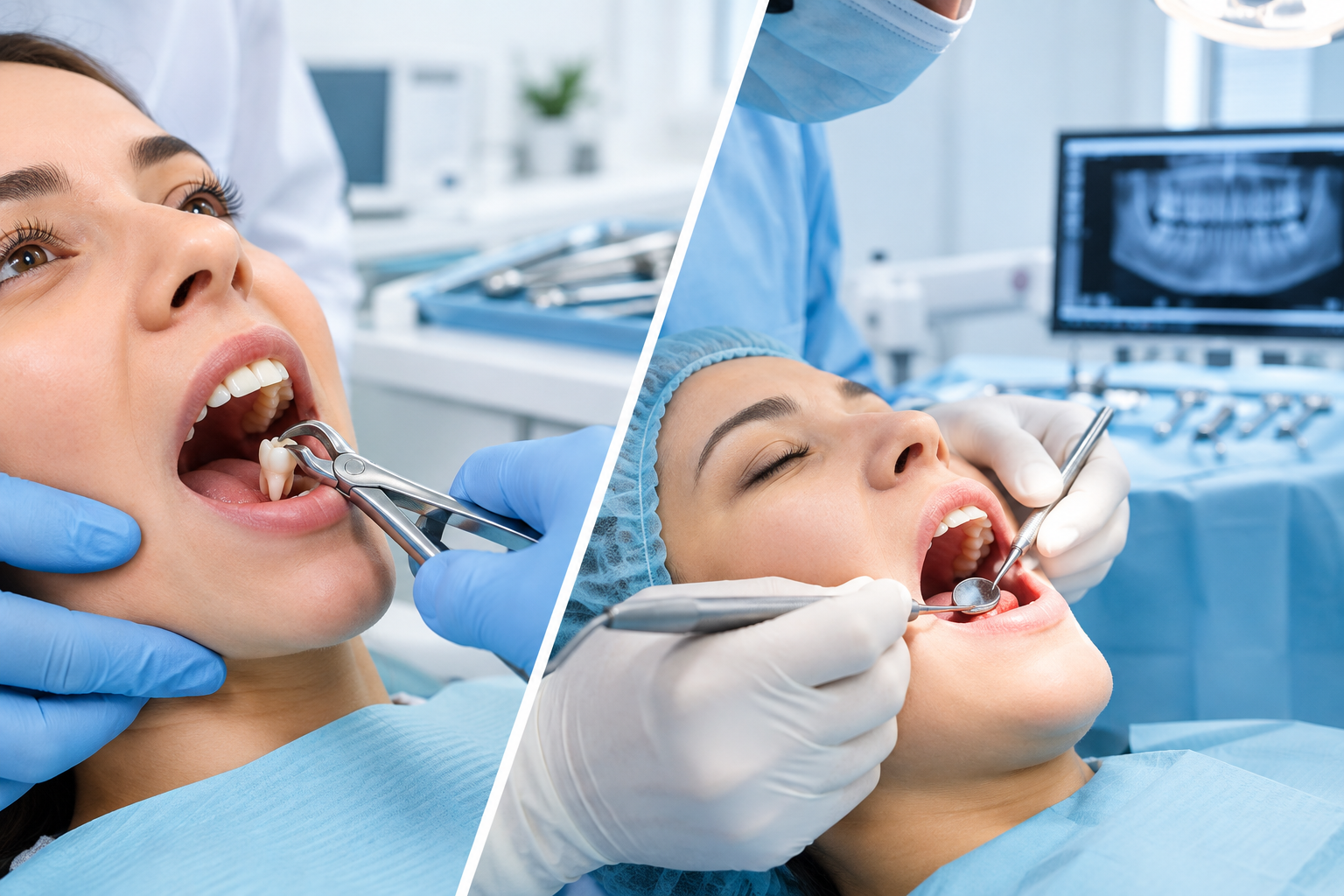
Compare tooth extraction and oral surgery, including key differences and recovery expectations.
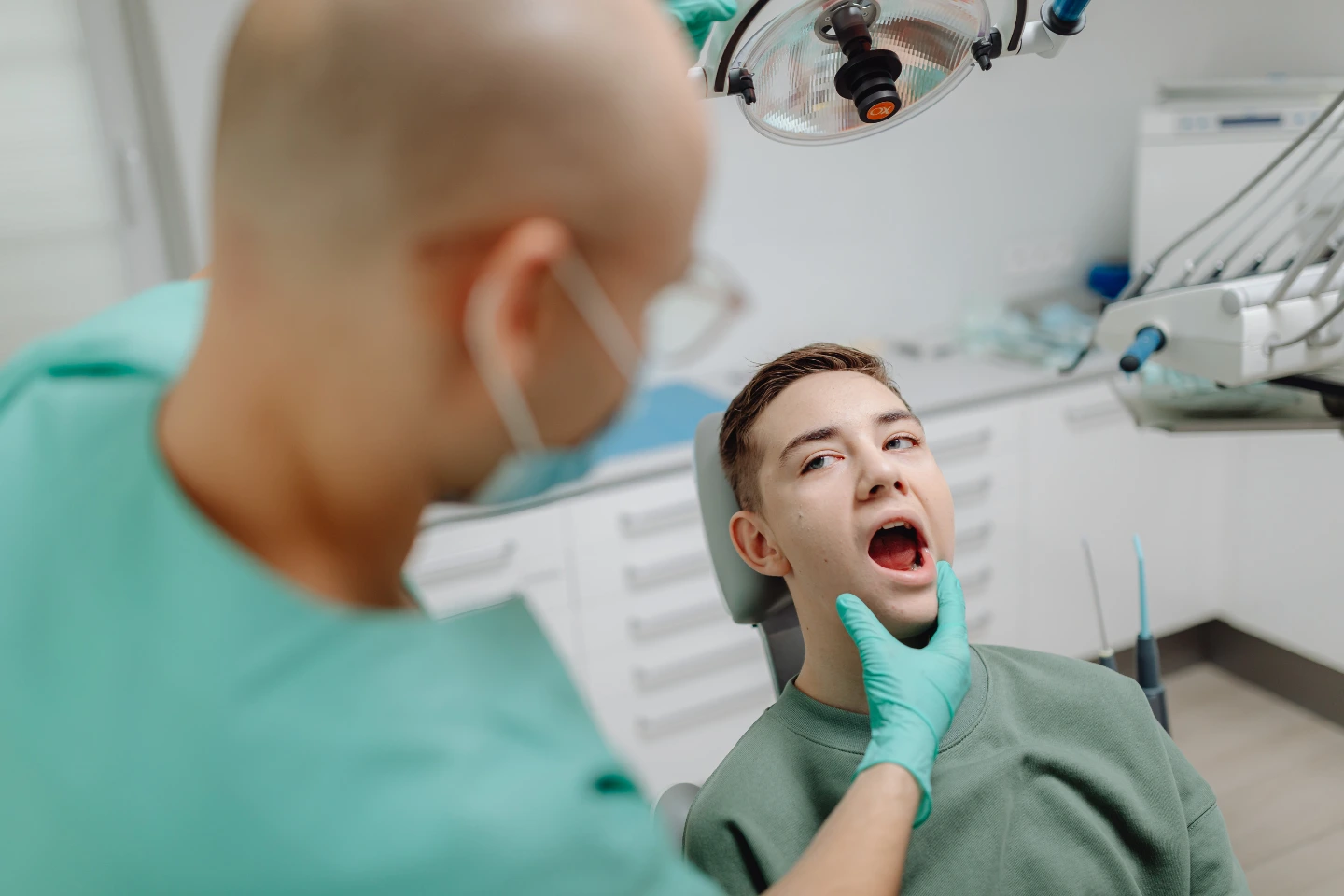
Learn 10 signs you may need oral surgery, when to seek treatment, and how early care can protect your oral health and prevent complications.

Learn whether veneers are permanent, how long they last, and what factors affect their longevity and maintenance.
.svg)



.png)

.png)
.png)



.webp)

.svg)

