.webp)
Root canal treatment ilchester is one of the most effective ways to save an infected tooth and eliminate the pain caused by severe decay or inflammation. Although the procedure removes the source of infection and discomfort, many patients are surprised to experience tenderness or sensitivity in the days or weeks that follow. This often leads to a common question: Is it normal to feel tenderness for two weeks after a root canal?
In most cases, the answer is yes. Some degree of tenderness for up to two weeks can be completely normal and part of the healing process. However, knowing what to expect, what is considered normal, and when to contact your dentist can help ensure a smooth recovery.
This comprehensive guide explains why tenderness occurs after a root canal, how long symptoms typically last, and when you should seek additional care from Ilchester Dental & Implant Centre.
A root canal involves removing infected or inflamed tissue from inside the tooth, cleaning the root canals, and sealing them to prevent reinfection. The purpose of the treatment is to:
While the procedure itself is carried out under local anaesthetic and is no more uncomfortable than having a filling, the surrounding tissues may remain irritated afterwards. This is why some tenderness is expected during the healing period.
Yes, it can be perfectly normal to feel tenderness or sensitivity for up to two weeks following a root canal. Some patients experience only mild discomfort for a day or two, while others may notice tenderness for a longer period. The variation depends on several factors.
As long as the tenderness gradually improves and does not increase in intensity, it is usually part of normal healing.
Following a root canal, it is common to experience:
These symptoms generally diminish over several days and may last up to two weeks, especially if the infection was significant.
Using over-the-counter pain relief and avoiding chewing on the treated side for a few days usually helps manage discomfort effectively.
While tenderness is expected, some symptoms may indicate a problem and should be assessed by a dentist at Ilchester Dental & Implant Centre.
Contact the practice if you notice:
If you experience any of these symptoms, it is important to seek prompt care through our emergency dentistry service in Ilchester to prevent further complications and relieve discomfort quickly.
Tenderness often subsides within one to two weeks, but complete healing of the surrounding tissues may take several months. The internal canals are sealed during treatment, but the bone and ligament around the tooth require additional time to regenerate.
Most patients return to normal eating and daily activities within a few days. If a crown is recommended, placing it on time is important for full protection of the treated tooth.
A severe or long standing infection will naturally lead to a longer healing period.
Teeth with multiple canals, curved roots, or significant decay may require a more complex procedure and longer recovery.
A temporary filling can be more sensitive than a permanent crown or filling.
Excessive pressure on the treated tooth can prolong tenderness.
Every patient heals differently, meaning recovery time can vary widely.
There are several ways to reduce discomfort and support healing.
Ibuprofen or paracetamol are usually recommended, following dosing instructions.
Reducing pressure on the tooth for a few days allows tissues to settle.
Maintain good oral hygiene, brushing gently around the treated tooth.
These can irritate the tooth or dislodge a temporary filling.
This includes attending recommended follow up appointments and returning for the final restoration.
If discomfort persists longer than expected, your dentist may adjust the bite or assess the tooth to ensure healing is progressing as it should.
Many teeth require a crown after a root canal, especially molars, due to potential weakness in the remaining structure.
A crown helps by:
Your dentist at Ilchester Dental & Implant Centre will advise whether a crown is necessary following your treatment.
While tenderness for two weeks can be normal, it is important to seek advice if:
Prompt assessment ensures the treated tooth continues to heal properly and reduces the risk of complications.
Feeling tenderness after a root canal is common and often part of the natural healing process. For many patients, this tenderness lasts a few days, but for others it may continue for up to two weeks, especially if the infection was severe. As long as symptoms gradually improve, there is usually no cause for concern.
However, if pain intensifies or other signs of infection appear, seeking professional advice is essential. Root canal treatment is highly successful when combined with proper aftercare and timely restoration.
If you have recently had a root canal or are experiencing ongoing tenderness, the team at Ilchester Dental & Implant Centre is here to help. They provide supportive aftercare, expert assessment, and high-quality restorative dentistry to ensure your treatment heals comfortably and successfully.
Visit www.ilchesterdental.co.uk to book an appointment or speak with a member of the team for guidance on post-root canal symptoms.
Explore our blog for expert advice, treatment insights and oral care tips.
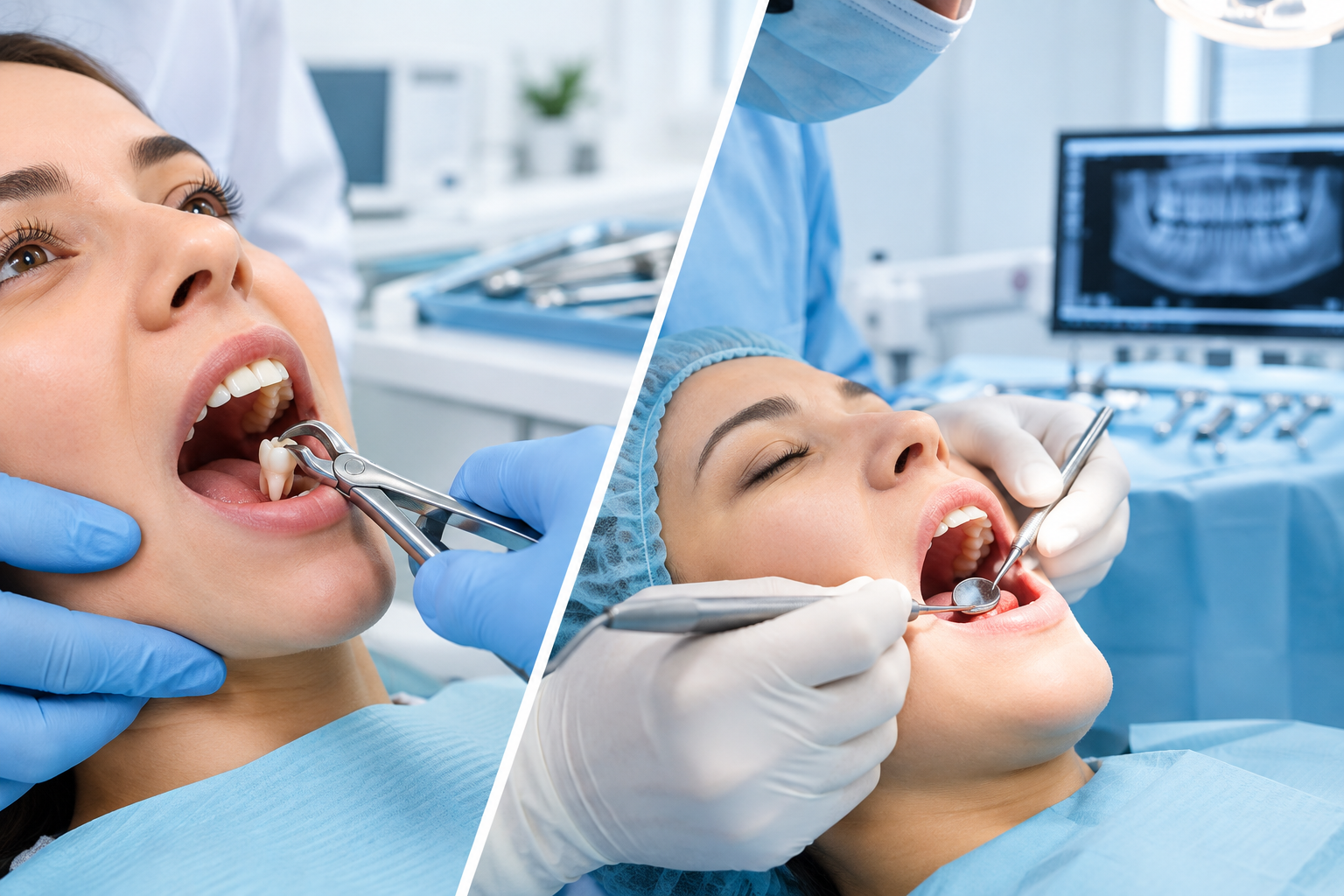
Compare tooth extraction and oral surgery, including key differences and recovery expectations.

Learn 10 signs you may need oral surgery, when to seek treatment, and how early care can protect your oral health and prevent complications.

Learn whether veneers are permanent, how long they last, and what factors affect their longevity and maintenance.
.svg)



.png)

.png)
.png)



.webp)

.svg)

