Expert wisdom tooth extraction in Ilchester and removal in Yeovil at Ilchester Dental & Implant Centre.
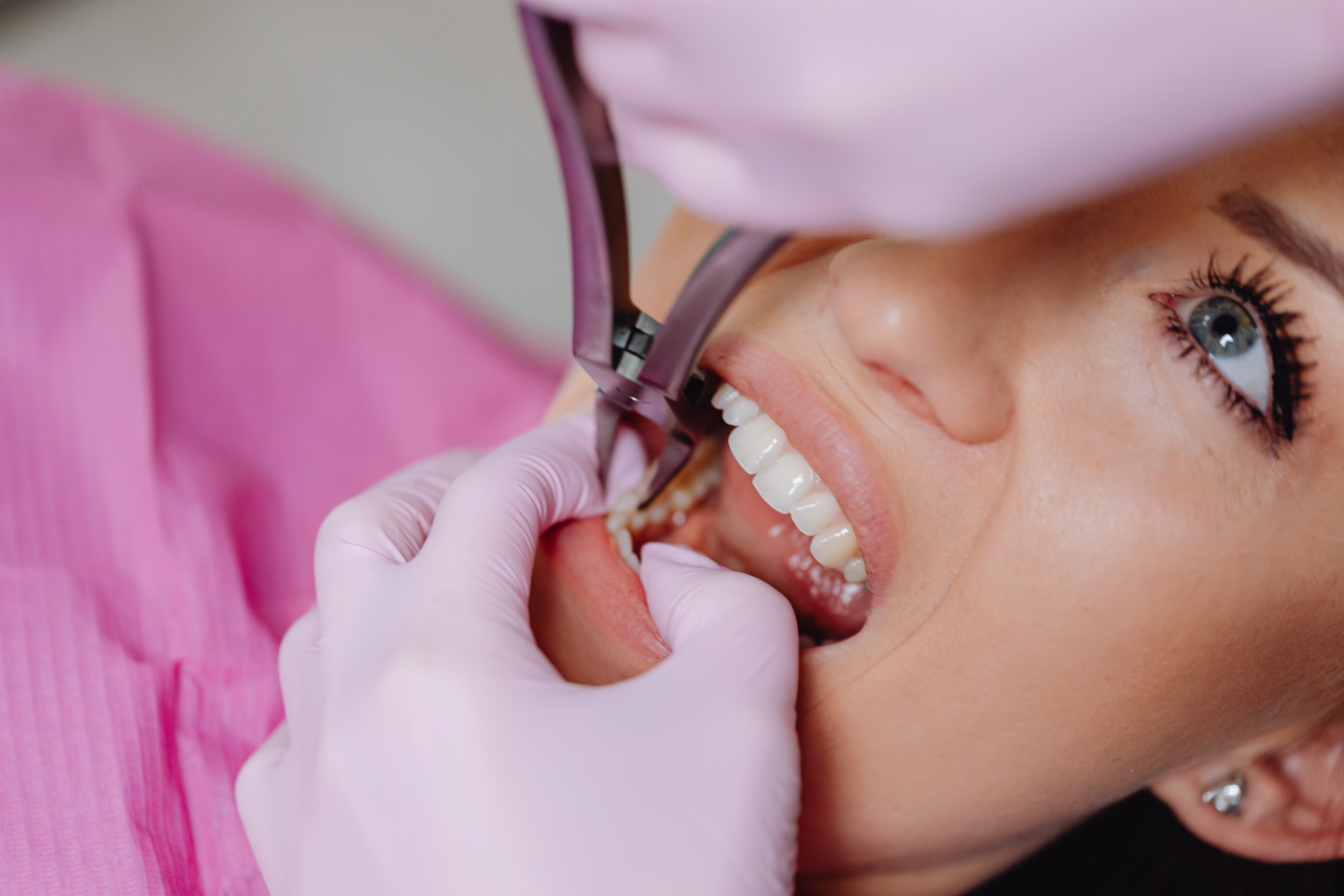
Wisdom tooth extraction is a common oral surgery procedure, yet many patients feel anxious because they’re unsure what it actually involves. Understanding the process—from assessment to recovery—can help you feel more confident and prepared. In most cases, wisdom tooth removal is recommended to prevent pain, infection, crowding, or damage to surrounding teeth.
At Ilchester Dental & Implant Centre, we regularly support patients from Ilchester, Yeovil, and surrounding areas who require wisdom tooth extraction. This detailed guide explains when extraction is necessary, what happens during the procedure, and what you can expect during recovery.
Wisdom teeth, also known as third molars, are the last adult teeth to develop. They usually emerge between the ages of 17 and 25, although some people never develop them at all.
Most adults can have up to four wisdom teeth—one in each corner of the mouth. Because modern jaws are often smaller, there may not be enough space for wisdom teeth to erupt properly, leading to a range of dental problems.
Not all wisdom teeth need to be removed. However, extraction is often recommended if wisdom teeth are:
Dentists in Ilchester and Yeovil often advise early removal to prevent more serious complications later.
Before recommending extraction, your dentist will carry out a thorough assessment, which includes:
Dental X-rays
Digital X-rays are essential to:
This step ensures the procedure is tailored to your specific needs.
Once extraction is recommended, your dentist will explain:
You may be advised to:
Clear preparation helps reduce anxiety and supports smoother healing.
A simple extraction is performed when the wisdom tooth has fully erupted and is easily accessible. This involves:
This type of extraction is typically quicker and involves minimal recovery time.
A surgical extraction is required for impacted or partially erupted wisdom teeth. This procedure involves:
Surgical extractions are more complex but are routine and safely performed.
Wisdom tooth extraction is performed using local anaesthetic, ensuring the area is fully numb. You may feel pressure but not pain during the procedure.
Depending on the complexity and your comfort level, your dentist may discuss:
Your comfort and safety are always prioritised throughout treatment.
The procedure typically takes 20–45 minutes, depending on complexity.
After the procedure, you’ll be given detailed aftercare instructions to support healing and reduce complications.
Following these instructions is essential for a smooth recovery.
Most patients return to normal activities within a few days.
Wisdom tooth extraction is very safe, but like any procedure, there are potential risks, including:
Choosing an experienced dental team and following aftercare instructions significantly reduces these risks.
Removing wisdom teeth earlier, before roots are fully developed, can offer benefits such as:
Your dentist will advise the most appropriate timing based on your individual case.
Patients seeking wisdom tooth extraction near 17 Church St, Ilchester, Yeovil BA22 8LN trust Ilchester Dental & Implant Centre because we offer:
Our aim is to make your experience as comfortable and stress-free as possible.
If you’re experiencing pain, swelling, or concerns about your wisdom teeth, early assessment can prevent future problems. Whether your extraction is simple or surgical, expert care makes all the difference.
Contact Ilchester Dental & Implant Centre today to arrange a consultation at 17 Church St, Ilchester, Yeovil BA22 8LN, and take the next step towards lasting oral health.
Explore our blog for expert advice, treatment insights and oral care tips.
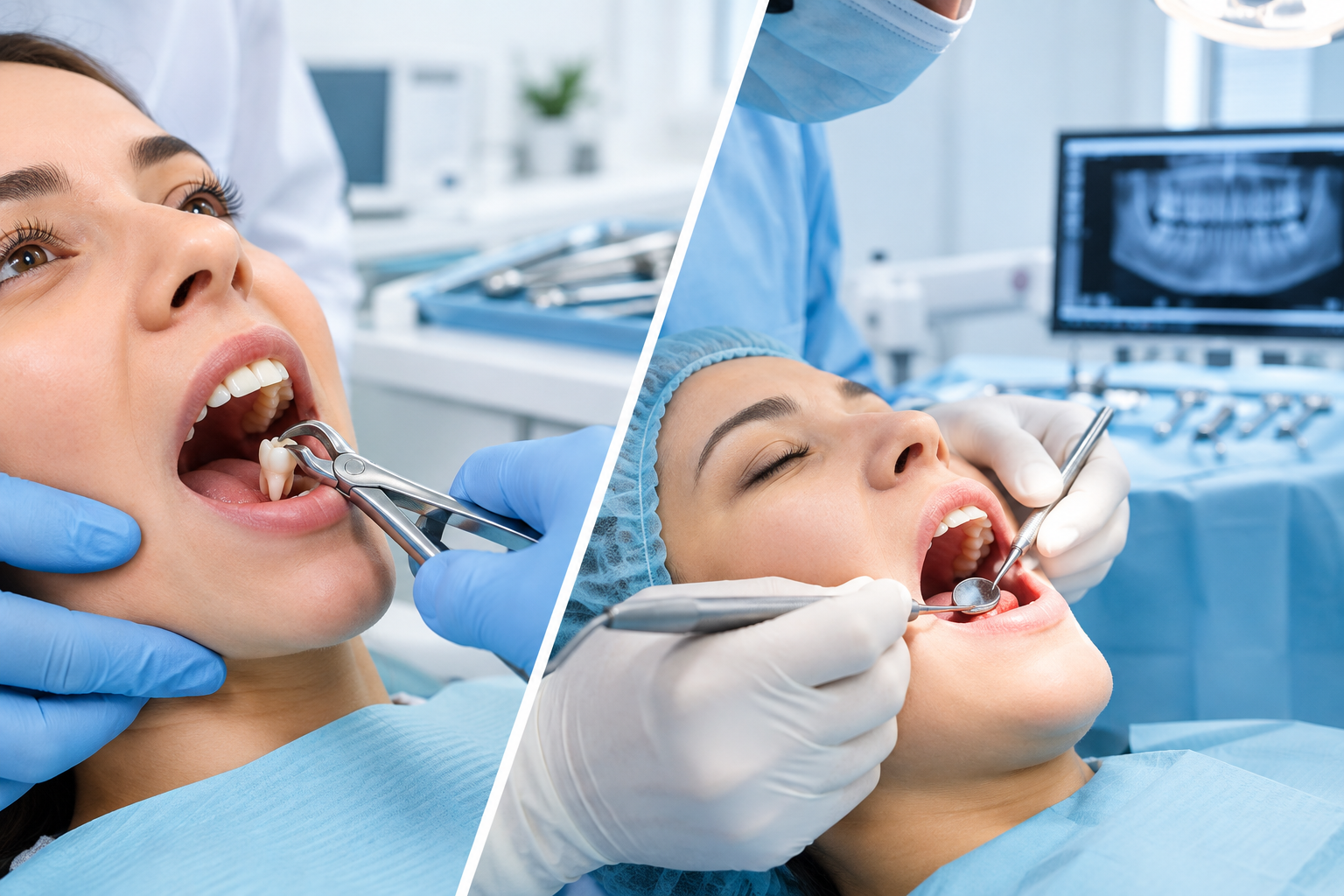
Compare tooth extraction and oral surgery, including key differences and recovery expectations.

Learn 10 signs you may need oral surgery, when to seek treatment, and how early care can protect your oral health and prevent complications.

Learn whether veneers are permanent, how long they last, and what factors affect their longevity and maintenance.
.svg)



.png)

.png)
.png)



.webp)

.svg)

