Tooth extraction is a common dental procedure carried out for many reasons, including severe decay, infection, advanced gum disease, or to prepare for orthodontic treatment. Although the procedure itself is straightforward and performed under local anaesthetic, the healing process that follows is extremely important. Proper aftercare helps prevent complications, reduces discomfort, and ensures that the extraction site heals as quickly and safely as possible.
.webp)
Tooth extraction is a common dental procedure carried out for many reasons, including severe decay, infection, advanced gum disease, or to prepare for orthodontic treatment. Although the procedure itself is straightforward and performed under local anaesthetic, the healing process that follows is extremely important. Proper aftercare helps prevent complications, reduces discomfort, and ensures that the extraction site heals as quickly and safely as possible.
Knowing exactly what to do and what to avoid after a tooth extraction can make a significant difference in your recovery. This guide explains the essential dos and don'ts to follow, why they matter, and when to contact Ilchester Dental & Implant Centre for further support.
When a tooth is removed, the body immediately begins the healing process. A blood clot forms in the socket where the tooth once sat, acting as a protective layer over the bone and nerves. This clot is essential for healing, as it helps prevent infection and supports the growth of new tissue.
If this clot becomes dislodged or dissolves too early, it can lead to a painful condition known as dry socket. Following proper aftercare significantly reduces this risk and improves comfort throughout recovery.
Your dentist will place a piece of sterile gauze over the extraction site. Bite down gently on this gauze for the first 30 to 60 minutes to help stop bleeding and promote clot formation. Replace the gauze only if advised and avoid excessive chewing.
Rest is one of the most important steps after a tooth extraction. Avoid physical exertion, heavy lifting, or strenuous activities for the first 24 to 48 hours. Increased heart rate and blood pressure can disturb the blood clot.
If there is swelling, place a cold compress or ice pack on the outside of your cheek for 15 minutes at a time. This helps reduce swelling and discomfort during the first day.
Mild discomfort is normal after an extraction. Your dentist may recommend or prescribe pain relief and, in some cases, antibiotics. Take them exactly as instructed.
Use an extra pillow to keep your head raised while lying down. This reduces pressure on the extraction site and helps minimise bleeding and swelling.
Continue brushing your teeth, but avoid the extraction area for the first 24 hours. After this period, gently rinse with warm salt water several times a day. This keeps the mouth clean and helps reduce bacteria.
Stick to foods such as:
Soft foods prevent irritation and avoid placing unnecessary pressure on the extraction site.
Staying hydrated is essential for healing. Sip water regularly, but avoid swishing it around your mouth.
Smoking is one of the leading causes of dry socket because the sucking motion can dislodge the blood clot. Chemicals in cigarettes also delay healing. Avoid smoking or vaping for at least 72 hours, preferably longer.
Sucking through a straw creates pressure that can easily remove the blood clot. Drink directly from a glass instead.
Avoid poking the area with your fingers, tongue, or any objects. This can disturb the clot, introduce bacteria, and cause infection.
Foods such as nuts, crisps, popcorn, or spicy dishes can irritate the extraction site or get stuck in the socket.
For the first 24 hours, avoid rinsing altogether. After this period, gentle saltwater rinses are recommended, but strong swishing must be avoided to protect the clot.
Alcohol can interfere with medications, delay healing, and irritate the tissues around the extraction area.
Vigorous activity can increase bleeding and swelling. Avoid gym sessions, running, or sports for at least 48 hours.
If bleeding continues beyond a few hours or pain intensifies instead of improving, contact your dentist promptly.
Mild bleeding and tenderness are normal. The blood clot forms, and swelling may begin.
Swelling often peaks but should gradually reduce. Discomfort usually lessens significantly during this time.
Bleeding should no longer be present. Most patients notice a clear improvement in comfort. Stitches, if used, may dissolve or be removed during this period.
The gums continue to heal and close over the extraction site. Some tenderness may remain but should steadily improve.
Healing time varies from person to person, depending on the complexity of the extraction and overall health.
Although complications are rare when proper aftercare is followed, it is important to recognise when to seek advice from Ilchester Dental & Implant Centre.
Contact the practice immediately if you experience:
These may indicate infection, dry socket, or another issue that requires professional attention.
Most patients can resume work and light activities within a day or two, depending on the nature of their job. Strenuous exercise should be avoided until swelling and bleeding have settled.
Eating normally can typically resume once tenderness is gone, though it is wise to continue avoiding hard foods until the site has healed fully.
Your dentist will provide personalised guidance based on your specific situation.
As your gums heal, continue to:
Tooth replacement is often recommended to prevent the shifting of adjacent teeth and changes in bite alignment.
Understanding the dos and don'ts after a tooth extraction is crucial for ensuring a smooth and complication-free recovery. From resting and maintaining proper hygiene to avoiding activities that could disturb the blood clot, these guidelines help protect the extraction site and promote healthy healing.
While mild discomfort and swelling are normal, severe or persistent symptoms should always be assessed by a dental professional. With the right care and support, most patients recover quickly and comfortably.
If you need a tooth extraction or have concerns about your recovery, the experienced team at Ilchester Dental & Implant Centre is here to help. They provide gentle extractions, detailed aftercare advice, and high-quality restorative options to support long-term oral health.
Visit www.ilchesterdental.co.uk to book your consultation or speak with a member of the team for personalised guidance on post-extraction care.
Explore our blog for expert advice, treatment insights and oral care tips.
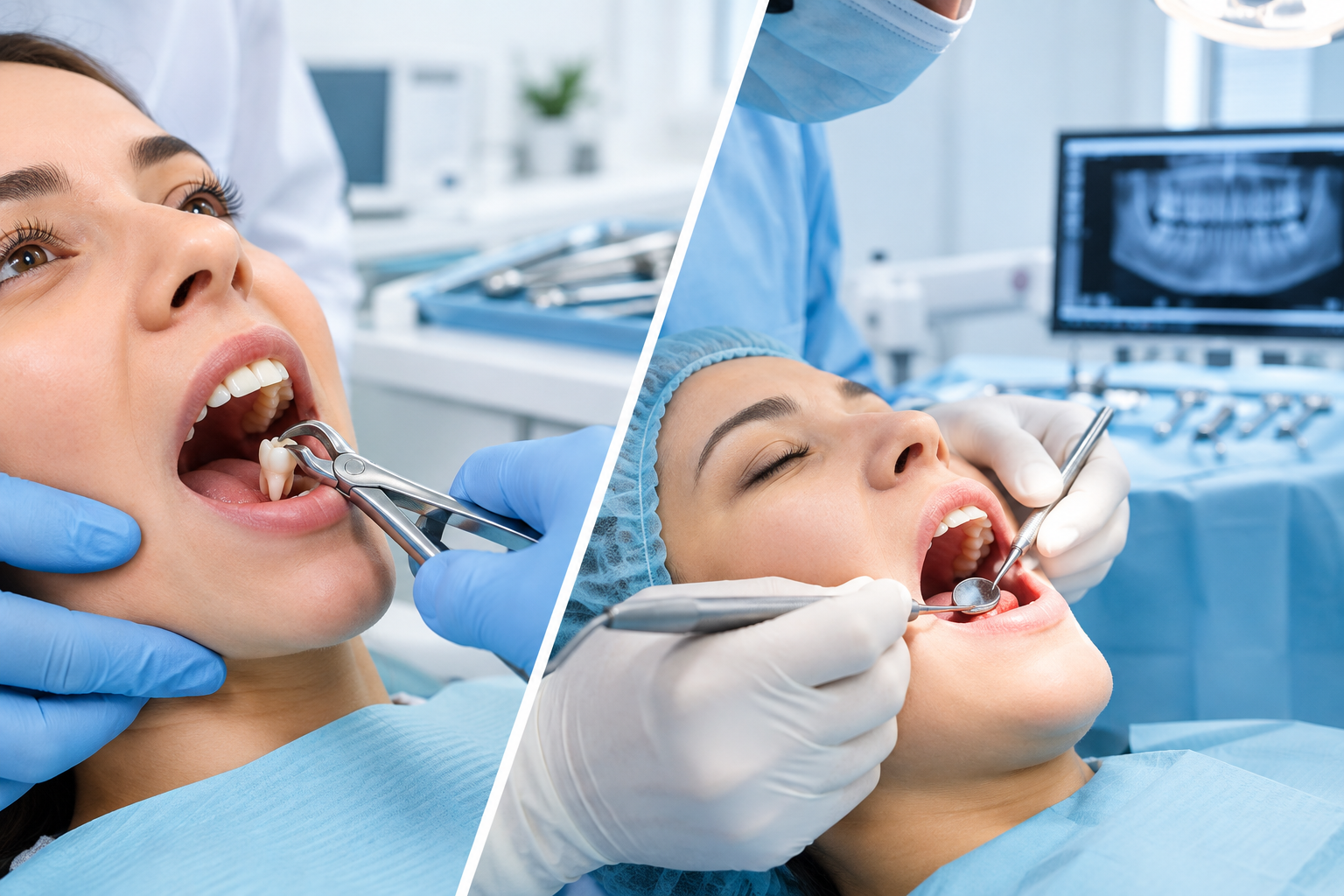
Compare tooth extraction and oral surgery, including key differences and recovery expectations.
Learn 10 signs you may need oral surgery, when to seek treatment, and how early care can protect your oral health and prevent complications.

Learn whether veneers are permanent, how long they last, and what factors affect their longevity and maintenance.
.svg)



.png)

.png)
.png)



.webp)

.svg)

