Learn how chipped, cracked, and fractured teeth are treated, from composite bonding and veneers to crowns and root canal treatment.
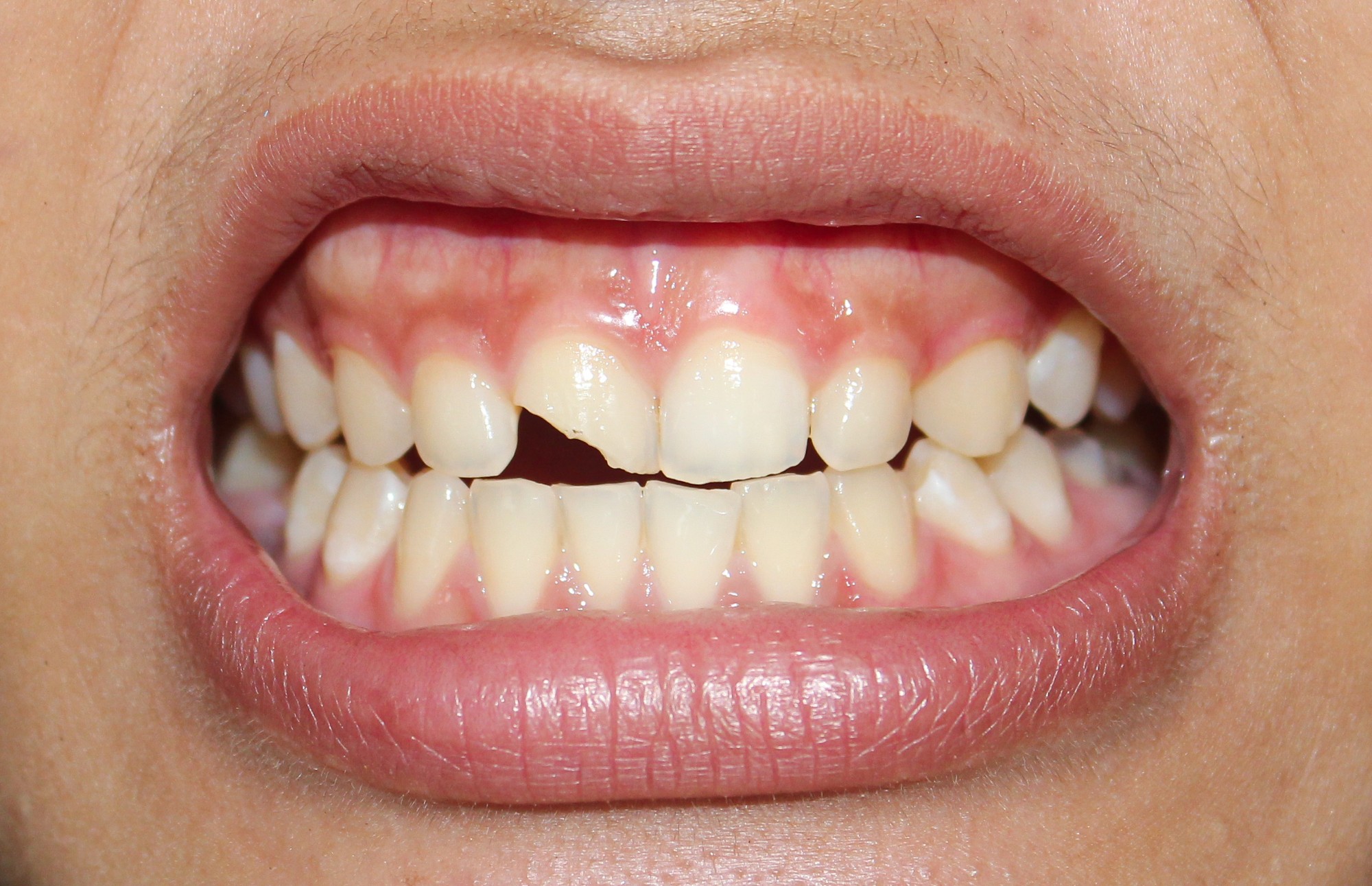
A chipped tooth may seem like a small cosmetic problem. A crack, however, can sometimes be more complicated than it appears.
Teeth can become damaged through accidents, biting hard foods, sports injuries, tooth grinding, decay or general wear. The right treatment depends on how much of the tooth has been affected and whether the damage has reached the inner part of the tooth.
There is no single treatment that is right for every chipped, cracked or fractured tooth. Your dentist will need to examine the tooth and determine whether it can be repaired, strengthened or otherwise treated.
If you have damaged a tooth, Ilchester Dental & Implant Centre can assess the problem and discuss suitable treatment options. If you are searching for a Dentist in Ilchester, arranging an examination can help you understand what needs to happen next.
These terms describe different types of damage.
A chip involves the loss of a small piece of tooth structure.
Minor chips may affect the appearance of a tooth without causing significant pain. Larger chips can expose deeper layers of the tooth or affect the way you bite.
A crack is a line or split in the tooth.
The depth and direction of the crack matter. Some cracks are superficial, while others extend deeper into the tooth.
A fracture may involve a larger portion of the tooth breaking away.
The tooth may remain partly intact, or a piece may become completely detached.
The terminology can overlap, so your dentist will focus on the actual condition of the tooth when deciding on treatment.
Ice, hard sweets, unpopped popcorn kernels and other hard foods can place substantial force on teeth.
A fall, collision or blow to the face can fracture a tooth.
If you participate in contact sports, a properly fitted mouthguard may help reduce the risk of dental injuries.
Clenching and grinding can place repeated pressure on teeth.
Over time, this may contribute to wear, cracks and chips.
A tooth weakened by decay may be more vulnerable to breaking.
This is one reason a tooth that suddenly fractures without an obvious accident should still be assessed.
The appropriate treatment depends on the size and location of the chip.
For some minor chips, composite bonding can rebuild the missing area using a tooth-coloured material.
It can often be used to improve both shape and appearance while preserving existing tooth structure.
In selected cases involving the front teeth, a veneer may be considered.
A veneer is a thin restoration placed over the front surface of a tooth. Your dentist will assess whether this is appropriate based on the condition of the tooth and your oral health.
A crown may be considered when a tooth has lost more substantial structure and needs additional protection.
Cracked teeth require careful assessment because the treatment depends heavily on the extent of the crack.
Some surface cracks may not require restorative treatment if they are not affecting the tooth's structure or causing symptoms. Your dentist may simply monitor them and provide advice about protecting the tooth.
A deeper crack may require a restoration to protect the remaining tooth structure.
If the crack has affected the pulp, root canal treatment may be considered if the tooth remains restorable.
A crack extending deeply into the root can be much more difficult to treat.
In some cases, the tooth may not be suitable for restoration and extraction may need to be discussed.
Dental injuries should be assessed promptly.
If possible, keep any broken tooth fragment and take it with you to the appointment.
If the tooth has been knocked out completely, the situation is more urgent. Seek emergency dental advice immediately because prompt treatment can sometimes affect the available options.
A damaged tooth may cause:
Some cracks cause very few symptoms initially.
That is why an examination is important when you know a tooth has been damaged.
Unlike a broken bone, a cracked tooth does not repair itself.
The tooth cannot regenerate the missing structure.
However, the appropriate dental treatment may protect the remaining tooth and prevent further damage in some situations.
Everyday biting forces can make an existing crack or fracture worse.
Until you have been assessed, it may be sensible to avoid hard or sticky foods on the affected side.
Do not attempt to glue a broken tooth back together with household adhesives.
A properly fitted mouthguard can help protect your teeth during sports where impacts are possible.
If you grind or clench your teeth, speak to your dentist. They can assess the signs of bruxism and discuss appropriate measures.
Avoid using your teeth to open packaging, cut tape or hold objects.
Decay can weaken teeth.
Brushing twice daily with fluoride toothpaste, cleaning between the teeth and attending regular dental appointments can help maintain oral health.
Can a chipped tooth be fixed?
Many chipped teeth can be repaired, depending on the extent and location of the damage. Composite bonding is one possible treatment for suitable minor chips.
Can a cracked tooth be saved?
Some cracked teeth can be treated and retained. However, the outcome depends on how far the crack extends and whether the tooth remains structurally restorable.
Does a cracked tooth always hurt?
No. Some cracks may cause little or no pain, particularly in their early stages.
What should I do if I break a tooth?
Avoid chewing on the affected side, keep any broken fragment if possible, and contact your dentist for an assessment.
Can a crown fix a cracked tooth?
A crown may be appropriate for some cracked or weakened teeth. However, it is not suitable for every type of crack.
What happens if a crack reaches the nerve?
If the pulp becomes affected, root canal treatment may be considered when the tooth can still be restored.
Can tooth bonding fix a large fracture?
Composite bonding may be suitable for some damage, but a larger fracture may require a different restoration. Your dentist can assess the amount of remaining tooth structure.
Is a fractured tooth an emergency?
It depends on the circumstances. Severe pain, swelling, significant bleeding, facial injury or a knocked-out permanent tooth should receive prompt dental attention.
Can I wait if my chipped tooth does not hurt?
It is still sensible to have it assessed. A painless chip may not be serious, but an examination can determine whether the tooth needs treatment or monitoring.
A chipped or cracked tooth may be minor, but it can also be a sign of deeper structural damage. Getting it assessed gives you a clearer understanding of what has happened and whether treatment is needed.
If you have chipped, cracked or fractured a tooth, contact Ilchester Dental & Implant Centre to arrange an examination. If you need a Dentist in Ilchester, the team can assess the damage and explain the treatment options available for your individual circumstances.
Explore our blog for expert advice, treatment insights and oral care tips.
Learn how chipped, cracked, and fractured teeth are treated, from composite bonding and veneers to crowns and root canal treatment.
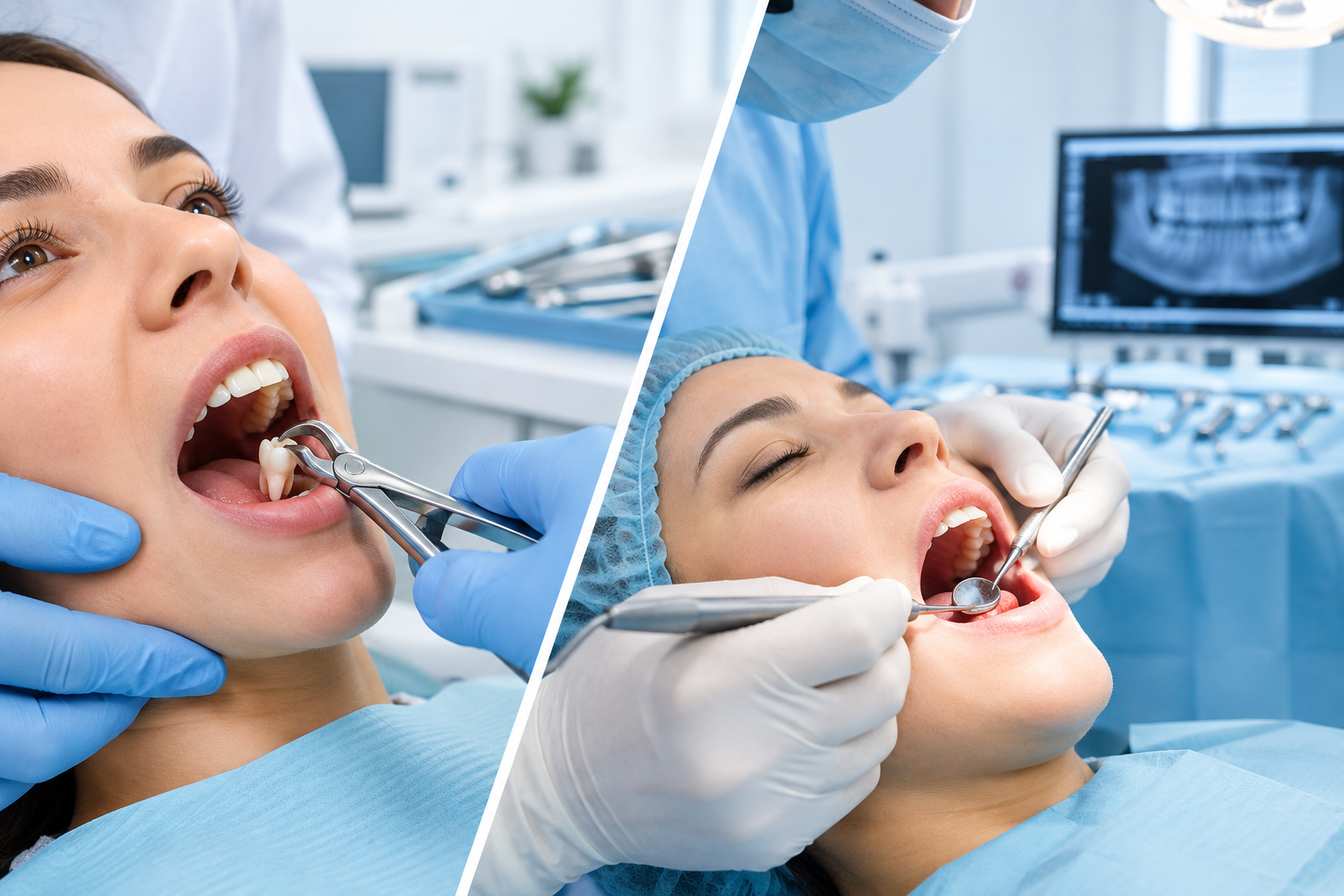
Compare tooth extraction and oral surgery, including key differences and recovery expectations.
Learn 10 signs you may need oral surgery, when to seek treatment, and how early care can protect your oral health and prevent complications.