Learn 10 signs you may need oral surgery, when to seek treatment, and how early care can protect your oral health and prevent complications.
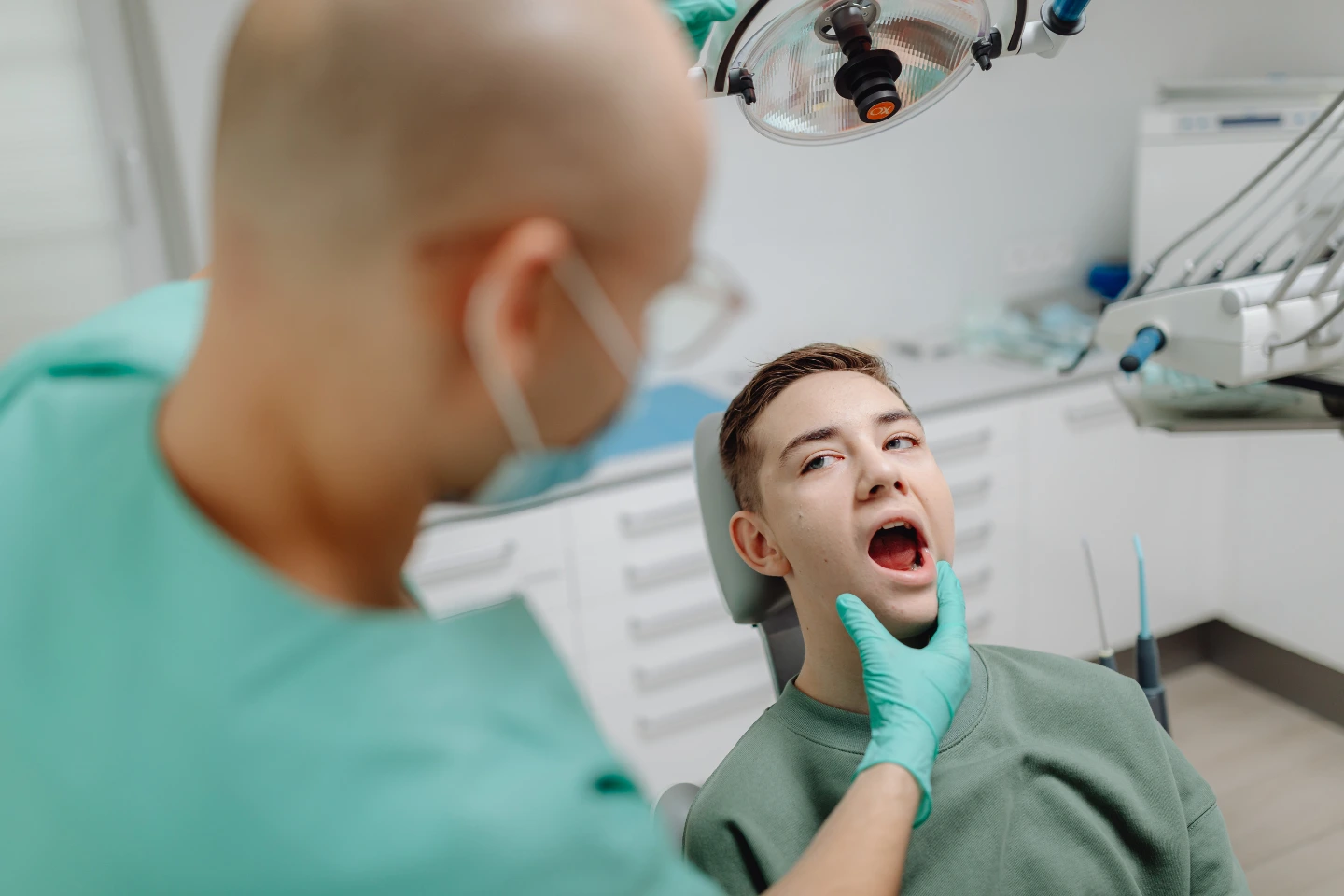
The thought of undergoing oral surgery can make anyone feel slightly anxious. It is completely normal to feel hesitant when your dentist suggests a surgical procedure. However, oral surgery is a routine, highly predictable branch of modern dentistry focused on repairing structural problems, eliminating infection, and saving your natural smile whenever possible.
Many patients assume that dental care is limited to routine cleanings, fillings, and occasional crowns. Yet, when dental issues extend beneath the surface of the gums or into the jawbone, surgical care becomes a reliable and effective pathway to long-term relief. Recognising early warning signs allows you to address subtle issues before they turn into complex medical emergencies.
Whether you visit an established Ilchester family dentist for routine check-ups or seek dedicated care at Ilchester Dental & Implant Centre, staying attentive to changes in your mouth is key. Here is a clear guide to understanding oral surgery and ten warning signs you should never ignore.
Oral surgery encompasses a broad range of procedures performed to diagnose, treat, and restore conditions affecting the teeth, gums, jawbones, and surrounding facial structures. Rather than being a last resort, it is frequently a proactive step to prevent further damage, alleviate chronic pain, and rebuild function.
Thanks to advanced imaging technology, gentle local anaesthetics, and modern surgical techniques, procedures today are far more comfortable and efficient than in decades past. From simple extractions to targeted bone grafts and dental implant placement, an experienced dentist in Ilchester can perform many surgical treatments in a calm, welcoming practice environment.
A continuous, throbbing toothache that worsens when biting down or consuming warm foods is a clear indicator of deep internal trouble. When decay reaches the central pulp of a tooth, bacterial infection can spread to the root tip. If a root canal treatment cannot save the tooth, or if a previous root canal treatment has failed, surgical root resection (an apicoectomy) or surgical extraction may be required to clear the infection and protect adjacent teeth.
Wisdom teeth, or third molars, are the last teeth to emerge, usually appearing in late adolescence or early adulthood. Often, there is simply not enough room in the jaw for them to erupt properly. As a result, wisdom teeth can become impacted, trapped beneath the gum line or growing at awkward angles. This causes localised pressure, severe pain, swelling, and recurrent infections in surrounding tissues. Removing impacted wisdom teeth via minor oral surgery prevents damage to neighbouring molars and resolves painful inflammation.
When early gum disease (gingivitis) is left unaddressed, it can progress to severe periodontitis. At this stage, bacteria invade deep pockets beneath the gumline, destroying the supporting ligament and jawbone. Non-surgical deep cleanings may no longer be sufficient. Flap surgery or periodontal surgery allows the dental team to clear deep bacterial deposits and recontour damaged bone, giving your gums a fresh chance to heal tightly around your teeth.
Unexplained swelling around your jawline, cheeks, or neck should always be evaluated promptly. Swelling often signals a localised dental abscess, a fluid-filled cyst, or a serious soft-tissue infection. Surgical drainage or removal of the underlying cyst is frequently needed to eliminate the infection before it spreads to other areas of the body.
Losing a natural tooth due to injury or decay affects far more than your confidence when smiling. Over time, missing teeth cause the surrounding jawbone to shrink and remaining teeth to shift out of alignment. Restoring your smile with dental implants involves placing a small titanium post into the jawbone during a minor surgical procedure. This post acts as a natural root, preserving bone structure and providing a permanent foundation for a custom crown.
It is common to get an occasional mouth ulcer after biting your cheek, but any sore, lump, or discoloured patch that lasts longer than two weeks warrants thorough professional examination. A minor surgical biopsy may be performed to remove a small tissue sample for lab analysis. Early evaluation ensures benign growths are safely removed, and serious conditions are identified promptly.
Persistent pain in the jaw joint, clicking sounds while chewing, or feeling like your jaw is locking can point to temporomandibular joint (TMJ) disorders. While non-surgical therapies such as bite guards and physical therapy are always explored first, severe structural joint issues or bone irregularities may require corrective surgical intervention to restore proper movement and comfort.
Adult teeth should feel firmly anchored. If you notice a tooth feels loose, wobbles, or has noticeably shifted position, it indicates significant bone loss around the root. In such instances, surgical bone grafting or ridge augmentation can rebuild lost bone, providing the necessary support to keep teeth stable or prepare the area for future implant placement.
When teeth have been missing for several years, the jawbone naturally thins out. This often leaves full or partial dentures feeling loose, uncomfortable, and prone to slipping while talking or eating. Pre-prosthetic surgery or bone rebuilding can recontour the jaw ridge. Alternatively, implant-retained dentures can be surgically fitted to secure your appliance permanently in place.
Accidents, sports injuries, or physical impacts can lead to cracked, fractured, or completely knocked-out teeth. When a tooth breaks below the gumline, standard filling or crowning techniques are no longer possible. Surgical extractions or reconstructive procedures are necessary to clean the damaged area, remove fractured fragments, and restore proper oral function.
If you suspect you need surgical care, your journey begins with a thorough evaluation. Your clinician will perform a comprehensive clinical examination, supported by digital 3D imaging or X-rays to assess the underlying bone and root structures.
Your treatment plan will be tailored specifically to your needs, with a clear explanation of each step. Modern pain management techniques, including local anaesthesia and calm, supportive patient care, ensure that your treatment is comfortable throughout.
Ignoring dental pain or subtle oral changes can allow manageable conditions to progress into complex problems. If you are experiencing any of the signs mentioned above, seeking prompt, professional guidance is a crucial step to safeguard your health.
At Ilchester Dental & Implant Centre, our dedicated team provides gentle, comprehensive care tailored to your individual needs. Whether you require a routine check-up with an Ilchester family dentist or wish to discuss surgical treatments with a trusted dentist in Ilchester, we are here to support your smile every step of the way. Contact our team today to book your consultation.
Q. Is oral surgery painful?
No. Procedures are carried out under local anaesthesia to ensure you feel no pain during treatment. You may feel mild pressure, but the area will be thoroughly numb. Your dental team will also provide comprehensive post-operative instructions and recommended pain relief to keep you comfortable during recovery.
Q. How long does recovery take after oral surgery?
Recovery time depends on the specific procedure. Minor extractions or soft-tissue treatments often heal within a few days to a week. Dental implant procedures or bone grafting may require a few months for full bone integration, though most patients resume normal daily activities within 24 to 48 hours.
Q. Will I need time off work following a procedure?
For simple extractions or minor surgical care, many patients return to light activities the following day. For more extensive surgical procedures, taking two to three days to rest and recover at home is generally advised to allow optimal initial healing.
Q. How can I prepare for my oral surgery appointment?
Your dental team will provide personalised pre-treatment guidance. Generally, it helps to arrange transport home if you choose sedation, wear comfortable clothing, stock up on soft foods, and carefully follow all pre-operative instructions provided by your practice.
Explore our blog for expert advice, treatment insights and oral care tips.
Compare tooth extraction and oral surgery, including key differences and recovery expectations.
Learn 10 signs you may need oral surgery, when to seek treatment, and how early care can protect your oral health and prevent complications.

Learn whether veneers are permanent, how long they last, and what factors affect their longevity and maintenance.
.svg)



.png)

.png)
.png)



.webp)

.svg)

