Nervous about the dentist? Find out how dental sedation works, the types available, possible side effects and calmer ways to manage anxiety.

Feeling nervous about visiting the dentist is more common than many people realise. For some, it is a little anxiety before an appointment. For others, the thought of sitting in the dental chair can cause significant worry, making it difficult to attend even when treatment is needed.
Dental anxiety can develop for several reasons, including a previous uncomfortable experience, fear of injections, sensitivity to sounds and smells, or concerns about pain. Whatever the reason, avoiding dental appointments can allow minor problems to become more complicated.
Dental sedation may be an option for some patients who find dental treatment difficult because of anxiety. It can help eligible patients feel calmer during certain procedures, depending on the type of sedation used and their individual circumstances.
If you are looking for a dentist in Yeovil or a dentist in Ilchester, understanding how dental sedation works can help you have a more informed conversation about your treatment options. At Ilchester Dental & Implant Centre, patients can discuss their concerns and ask which approaches may be suitable for their needs.
Dental sedation involves using medication to help a patient relax during dental treatment. The type of sedation used, if appropriate, depends on the procedure, the patient's medical history, their level of anxiety and the facilities available.
Sedation is not the same as general anaesthesia. With many forms of conscious sedation, patients remain awake and can respond to instructions, although they may feel relaxed or drowsy.
Local anaesthetic is often used alongside sedation when a procedure requires pain control. Sedation helps with anxiety, while local anaesthetic numbs the treatment area.
Dental sedation may be considered for patients who:
Sedation is not necessary for everyone who feels nervous. Sometimes, a slower appointment, clear explanations, breaks during treatment and effective local anaesthesia may provide enough reassurance.
The options available vary between dental practices. Not every clinic provides every type of sedation, so it is important to ask what is offered before arranging treatment.
Inhalation sedation commonly uses a mixture of nitrous oxide and oxygen, delivered through a small nasal mask.
The patient breathes normally through the nose while the gas helps them feel more relaxed. They generally remain conscious and able to communicate with the dental team.
The effects usually begin quickly and wear off relatively quickly after the gas is stopped. The dentist will assess whether this approach is suitable for the patient and the planned treatment.
Intravenous sedation involves administering sedative medication through a vein, usually in the arm or hand. It can produce a deeper state of relaxation than inhalation sedation, although patients generally remain responsive.
It requires appropriate training, monitoring and recovery arrangements. Some patients may remember very little about the procedure, but this cannot be guaranteed.
Availability depends on the dental provider and the patient's circumstances.
General anaesthesia makes a patient unconscious during treatment. It is different from conscious sedation and requires an appropriate clinical setting with anaesthetic support.
It is not routinely used for ordinary dental procedures and is generally considered only when clinically justified.
Dental sedation is generally considered safe when it is appropriately selected, administered and monitored by trained professionals. However, no medical or dental procedure is completely without risk.
Before recommending sedation, a dental professional should review the patient's medical history, current medication, allergies and relevant health conditions. This assessment helps determine whether sedation is appropriate and which option may be safest.
The level of monitoring and the necessary precautions depend on the method used.
Possible side effects vary according to the type of sedation. They may include:
The dental team should explain the relevant risks and what to expect during recovery before treatment begins.
Patients should always provide accurate information about their health and medication. They should also follow all pre-treatment and aftercare instructions.
Certain medical conditions, medication interactions and other individual factors can affect the suitability of sedation. Pregnancy, some respiratory conditions and particular cardiovascular or neurological problems may require additional consideration, depending on the method proposed.
This does not automatically mean sedation is unsuitable. It means the decision should be made following an appropriate clinical assessment.
Knowing what to expect can make the process less intimidating.
Your dental team will discuss your concerns, planned treatment and medical history. Depending on the sedation method, you may receive instructions about eating, drinking and taking your usual medication.
Do not stop prescribed medication unless your clinician specifically advises you to do so.
You may also need someone to accompany you home, particularly if intravenous sedation is planned.
The dental team will explain the procedure and help you settle into the treatment room. Monitoring will be appropriate to the sedation method being used.
With conscious sedation, you may remain able to communicate with the dentist. You can discuss a signal to indicate if you need a pause.
Local anaesthetic may still be needed to prevent pain during treatment.
Recovery depends on the type of sedation. Nitrous oxide usually wears off relatively quickly, whereas intravenous sedatives can affect coordination, alertness and judgement for longer.
Follow the instructions provided by your dental team. If intravenous sedation is used, you may need an escort and must follow the advised restrictions on driving, operating machinery, alcohol consumption and making important decisions.
Yes. Sedation is only one possible approach.
An understanding dental team can help make appointments more comfortable through several simple measures.
Knowing that you can ask for a pause can make treatment feel more manageable. Discuss this with your dentist before starting.
Understanding what will happen next may reduce uncertainty. Let your dentist know whether you prefer detailed explanations or would rather not hear descriptions of each step.
If you have avoided dental care for a long time, an initial consultation may be a useful first step. You can discuss your concerns without committing immediately to extensive treatment.
Slow breathing, listening to permitted audio and scheduling appointments at a comfortable time may help some patients manage their anxiety.
Your dentist can help you decide whether these approaches are sufficient or whether sedation assessment would be appropriate.
Is dental sedation the same as being put to sleep?
No. Conscious sedation generally helps you relax while remaining responsive. General anaesthesia makes you unconscious and is a different procedure with different requirements.
Will I feel pain during dental sedation?
Sedation helps reduce anxiety, but it does not necessarily remove pain. Local anaesthetic is commonly used when needed to numb the treatment area.
Can I drive home after dental sedation?
It depends on the method used. After intravenous sedation, patients generally need an escort and must not drive for the period specified by their clinician. Follow the instructions provided for any type of sedation.
Is dental sedation suitable for children?
Some forms of sedation may be used for children in appropriate circumstances. Suitability depends on the child's age, health, treatment needs and the facilities available.
Can I request sedation for a routine check-up?
You can discuss your anxiety with your dentist, but sedation may not be necessary for a routine examination. Your clinician can explain the options available and whether they are appropriate.
Does every dentist in Yeovil offer dental sedation?
No. Sedation availability varies between practices. Contact the clinic before booking if you specifically need this option.
Is dental sedation suitable for everyone?
No. A medical and dental assessment is necessary to determine suitability and identify potential risks.
Can sedation help me attend regular dental appointments?
It may help some patients access treatment, depending on their needs. A longer-term plan to manage dental anxiety can also make routine appointments easier.
If anxiety has been stopping you from visiting the dentist, you do not have to ignore your concerns. Discussing your fears openly can help your dental team understand what makes appointments difficult and what support may be appropriate.
Contact Ilchester Dental & Implant Centre to discuss your concerns, ask about available options and arrange a consultation with a dental professional.
Explore our blog for expert advice, treatment insights and oral care tips.
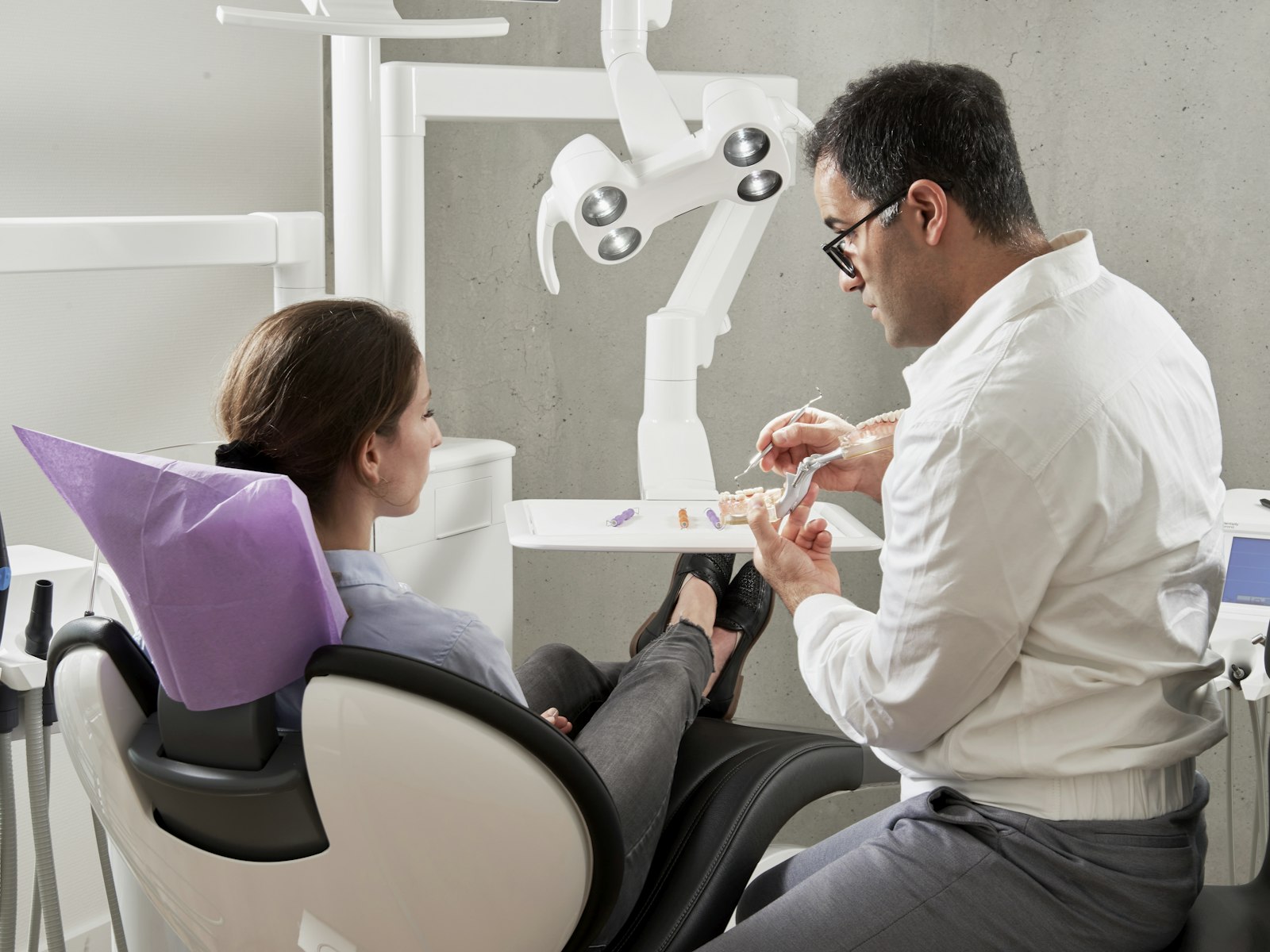
Not sure whether to choose an NHS or private dentist? See how costs, treatments and appointments differ before you decide.
Nervous about the dentist? Find out how dental sedation works, the types available, possible side effects and calmer ways to manage anxiety.
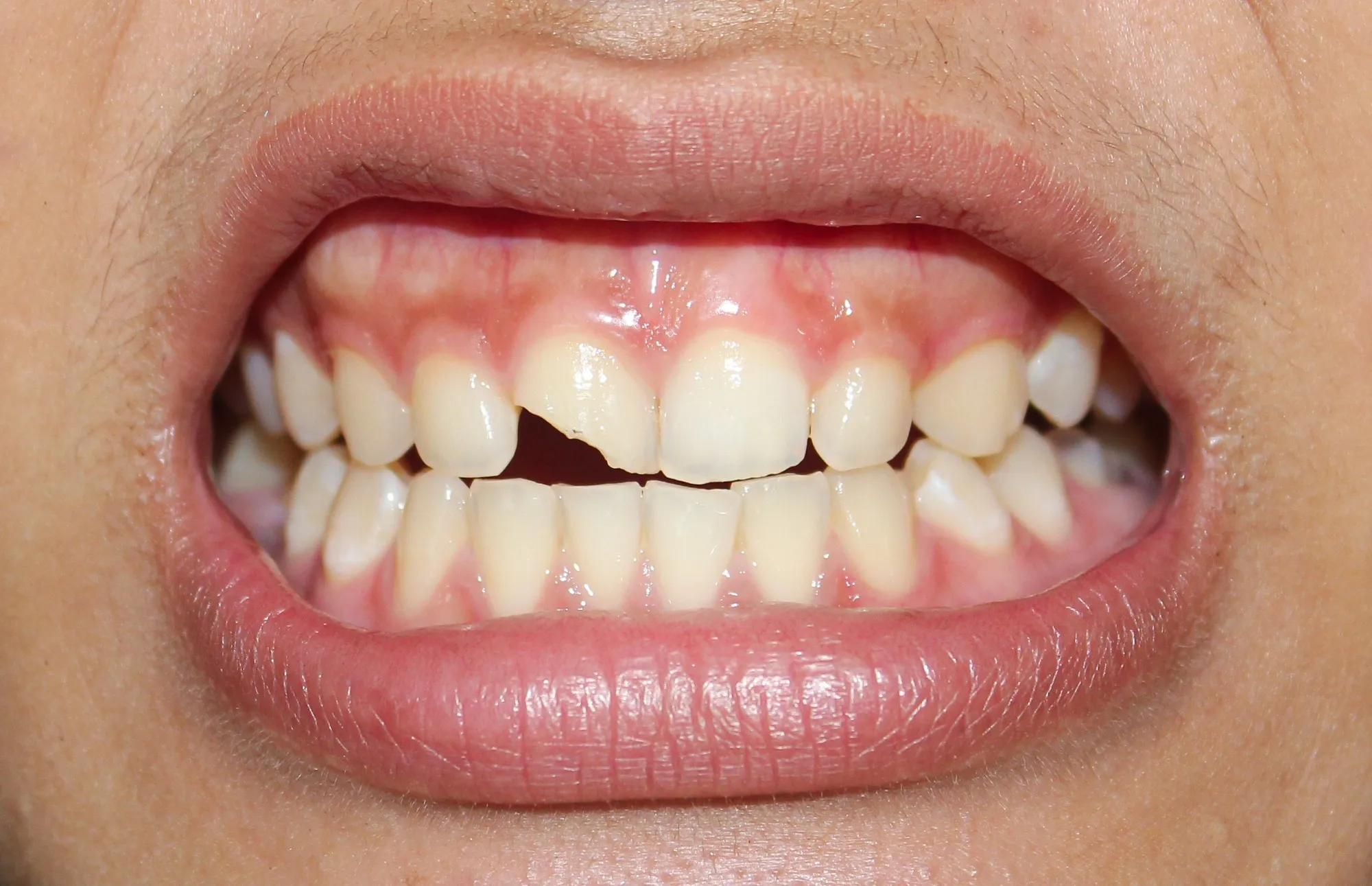
Learn how chipped, cracked, and fractured teeth are treated, from composite bonding and veneers to crowns and root canal treatment.