Not sure whether to choose an NHS or private dentist? See how costs, treatments and appointments differ before you decide.
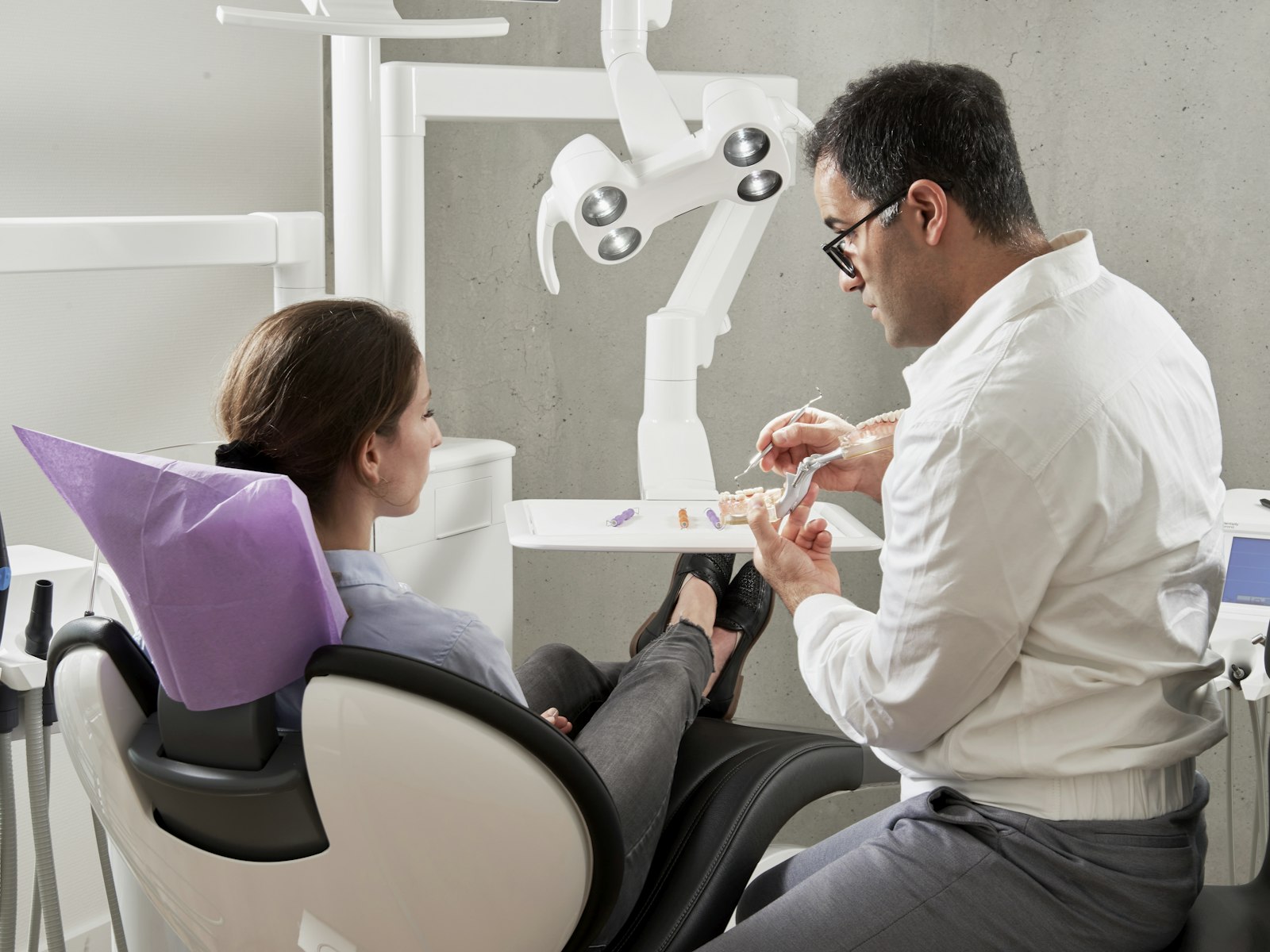
Choosing between an NHS dentist and a private dentist can be confusing, particularly when you are looking for a new dental practice in Yeovil or Ilchester. Both provide dental care, but the way treatment is funded, the services available and the fees charged can differ.
Some patients prioritise access to NHS dental treatment. Others prefer the flexibility of private appointments or are interested in treatments that may not be routinely available through the NHS.
The right choice depends on your dental needs, budget, availability and personal preferences. Understanding the differences can help you make an informed decision without assuming that one type of dentistry is automatically better than the other.
If you are searching for a dentist in Ilchester, Ilchester Dental & Implant Centre can be contacted to discuss its services, fees and appointment arrangements.
NHS dentistry is designed to help people maintain oral health and receive clinically necessary dental treatment. In England, NHS dental charges generally fall into treatment bands, although some patients qualify for free or reduced-cost care.
The NHS does not cover every dental treatment. The treatment offered should be clinically appropriate and meet the relevant NHS rules.
NHS dental care can include:
The treatment recommended depends on the patient's condition. A dentist should explain the available options and whether the proposed treatment can be provided under NHS arrangements.
In England, NHS dental charges are organised into bands, with the charge generally based on the course of treatment rather than each individual item.
Charges can change, so patients should check the current official NHS fee schedule before budgeting for treatment.
Some people qualify for free NHS dental treatment, including eligible patients receiving certain income-related benefits and those meeting other exemption criteria. Eligibility rules can be specific, so check the official guidance rather than assuming you qualify.
Private dentistry is paid for by the patient, through a dental insurance policy or another agreed payment arrangement. Fees are set by the practice, and the treatment options depend on the clinic's services and the patient's clinical needs.
Private dental care can offer different appointment arrangements, treatment choices and payment structures. However, availability, waiting times and fees vary between practices.
Depending on the clinic, private dental services may include:
Not every private dentist offers every service. A consultation is the best way to understand what a particular practice provides.
Private fees vary according to the practice, the complexity of treatment, materials and laboratory costs.
A routine examination may cost less than a complex restorative procedure. Similarly, the cost of dental implants depends on factors such as the number of teeth involved, the condition of the jawbone and whether additional treatment is required.
Ask for a written treatment plan with itemised fees before proceeding. This should make it easier to understand the expected cost and any potential additional charges.
NHS dentistry in England uses regulated patient charges for covered treatment, subject to eligibility for exemptions. Private dental practices set their own fees.
If affordability is your main concern, ask whether the required treatment can be provided under the NHS and whether you qualify for help with charges.
If you are considering private care, ask about staged treatment, payment arrangements and the full cost before agreeing to proceed.
NHS treatment focuses on clinically necessary care within NHS rules. Private dentistry may offer additional treatment choices, including certain cosmetic procedures or alternative materials.
However, private treatment is not automatically more suitable. The most appropriate option depends on clinical evidence, your oral health and your preferences.
Access to NHS dentistry can be difficult in some areas because of local capacity and demand. Private appointments may be available sooner at some practices, but this is not guaranteed.
If you need treatment urgently, explain your symptoms when contacting a dental practice. Do not assume that every private clinic can offer same-day appointments.
Appointment length depends on the procedure and the practice's scheduling arrangements. Some private practices offer appointment times designed around working hours or specific treatment plans.
NHS practices also vary in their appointment systems. It is worth asking about opening hours, appointment availability and how cancellations are managed.
Some cosmetic treatments, such as teeth whitening or certain forms of orthodontic treatment, are not routinely available through the NHS. Exceptions and eligibility depend on the clinical circumstances and applicable NHS rules.
Private dentistry may provide additional options for patients who want to discuss cosmetic changes to their smiles.
Both NHS and private practices can provide ongoing care. Continuity depends on the practice's systems, your appointment attendance and the availability of the dental team.
If you are looking for an Ilchester family dentist, ask how the practice supports routine check-ups, preventive care and treatment planning for different family members.
Yes, in some circumstances, a patient can receive both NHS and private treatment. However, the arrangements must be clear, and NHS and private charges should not be confused.
For example, a patient might receive eligible NHS treatment and separately choose a private service that is not covered by the NHS.
Your dentist should explain which parts of your treatment are NHS-funded and which are private, including the relevant costs. You should be able to make an informed choice before treatment begins.
If you mainly need routine check-ups and clinically necessary treatment, NHS availability may be a key consideration.
If you are interested in clear aligners, cosmetic dentistry or a particular restorative option, ask whether the practice offers it and whether it is suitable for you.
Request clear information about examination charges, hygiene appointments, restorative procedures and any additional costs that may arise.
For larger treatments, ask for a written plan explaining the proposed procedure, alternatives and estimated total fee.
Consider how easily you can attend appointments, whether the opening hours fit your schedule and how the practice handles dental emergencies.
A good patient experience includes clear explanations, opportunities to ask questions and enough information to make decisions about your oral health.
Do not hesitate to ask a dentist to explain unfamiliar terminology or discuss alternative approaches.
Is private dentistry better than NHS dentistry?
Not necessarily. Both can provide appropriate dental care. The differences concern funding, fees, treatment availability and appointment arrangements.
Can I switch from an NHS dentist to a private dentist?
Yes. You can contact a private practice to enquire about registering as a patient and arranging an examination. Ask about fees and whether your existing records can be transferred.
Can a private dentist provide NHS treatment?
Some practices provide both NHS and private care, while others operate privately only. Ask the practice directly about its arrangements.
Are NHS dental appointments free?
Not for everyone. NHS dental charges apply to many patients in England, but eligible groups can receive free or reduced-cost treatment.
Does private dentistry include dental implants?
Some private dental practices offer implant treatment or implant restorations. The services available vary, so confirm what the clinic provides and whether additional referrals are required.
Can I get cosmetic dentistry on the NHS?
Most purely cosmetic treatments are not routinely available through the NHS. Treatment may be provided where it meets relevant clinical criteria.
Should I choose a family dentist?
A family dentist can help different members of your household access routine dental care and preventive advice. Ask whether the practice treats your family members' age groups and provides the services they need.
How do I compare dental practices in Yeovil?
Compare the services offered, appointment availability, fees, location, communication and how clearly treatment options are explained.
Choosing a dentist is a personal decision. Understanding the differences between NHS and private dentistry can help you decide what matters most for your oral health and budget.
Contact Ilchester Dental & Implant Centre to enquire about available services, appointment arrangements and fees. The team can explain the options offered by the practice and help you understand the next steps towards maintaining your oral health.
Explore our blog for expert advice, treatment insights and oral care tips.
Not sure whether to choose an NHS or private dentist? See how costs, treatments and appointments differ before you decide.
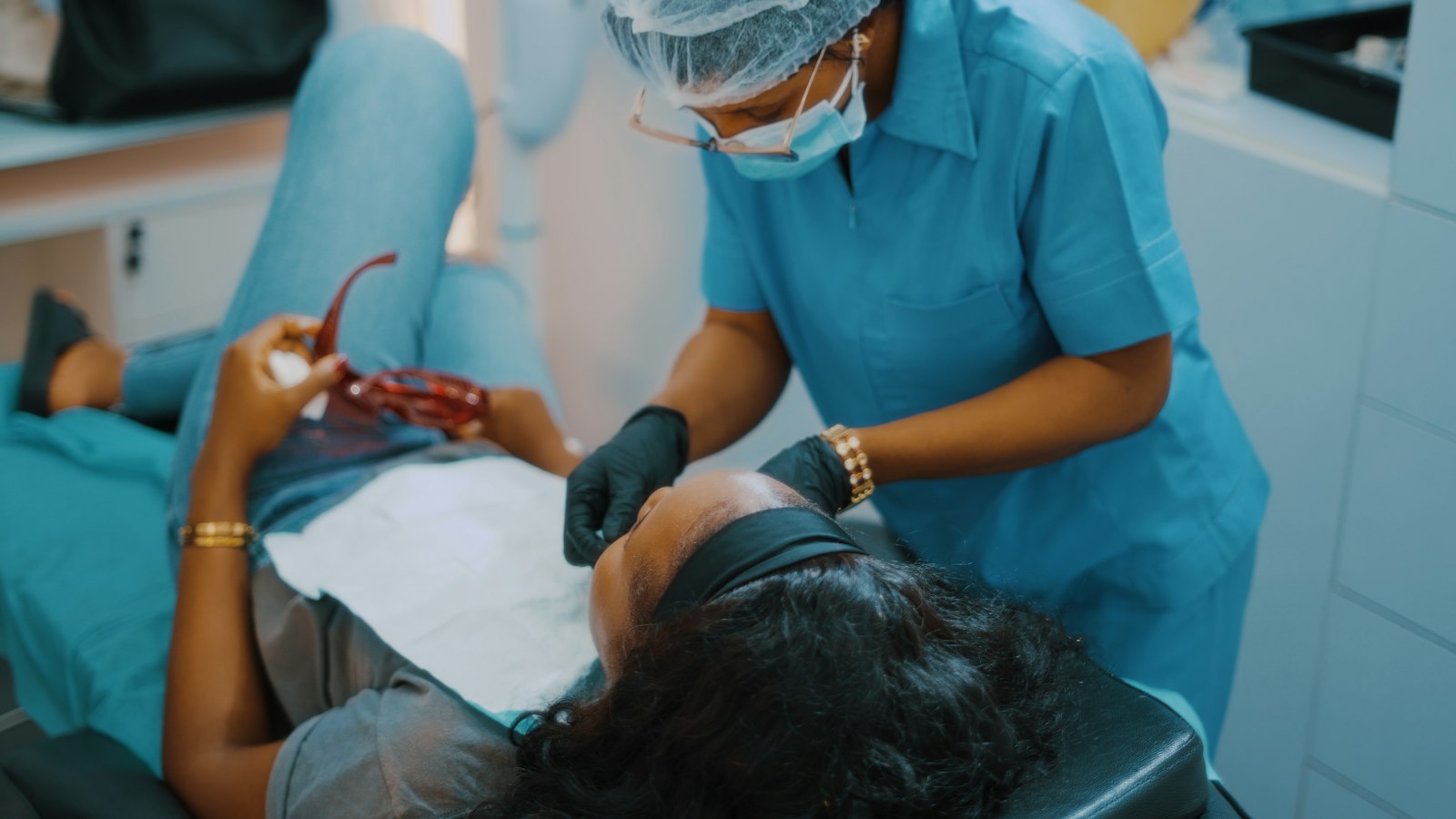
Nervous about the dentist? Find out how dental sedation works, the types available, possible side effects and calmer ways to manage anxiety.
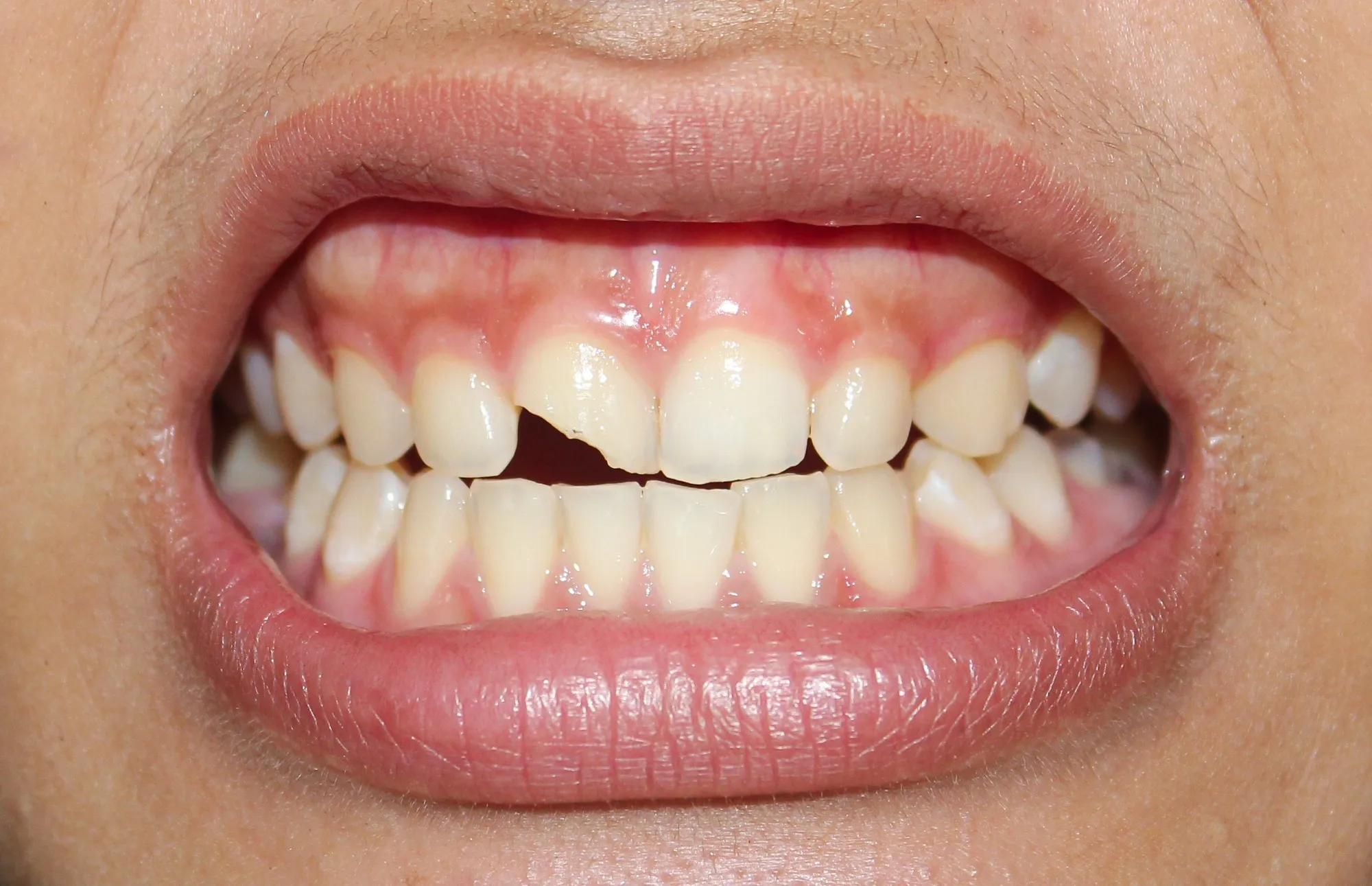
Learn how chipped, cracked, and fractured teeth are treated, from composite bonding and veneers to crowns and root canal treatment.